Place the bench before buying it
A bench at the end of a path is an inviting picture, but the best-looking spot is not always comfortable. Test the location with a movable chair. Sit at the times you are likely to use it and notice sun, wind, neighbouring windows and the sound of nearby equipment. A small adjustment can make a much better place to linger.
Look from seated eye level. Tall planting may create enclosure or block the view entirely. Strong scent can be welcome beside a quiet seat, while thorny or stiff growth close to shoulders and faces may not be. Remember that plants change with the seasons, and a secluded summer corner may feel very exposed in winter.
Make arrival and departure easy
Provide a stable approach and sufficient clear space to stand, turn and use the seat. Think about the people who will actually sit there. Seat height, back support and arms can make a substantial difference to comfort and ease of rising. A decorative stone slab may not serve the same users as a supportive garden bench.
The ground beneath the seat matters. Feet sinking into damp soil can rack a frame and make a bench unstable. Follow the maker's requirements for support, levelling and anchoring. Do not improvise by balancing legs on loose fragments. Heavy pieces need safe delivery and positioning, not a last-minute attempt to drag them through a narrow border.
Inspect the parts you touch
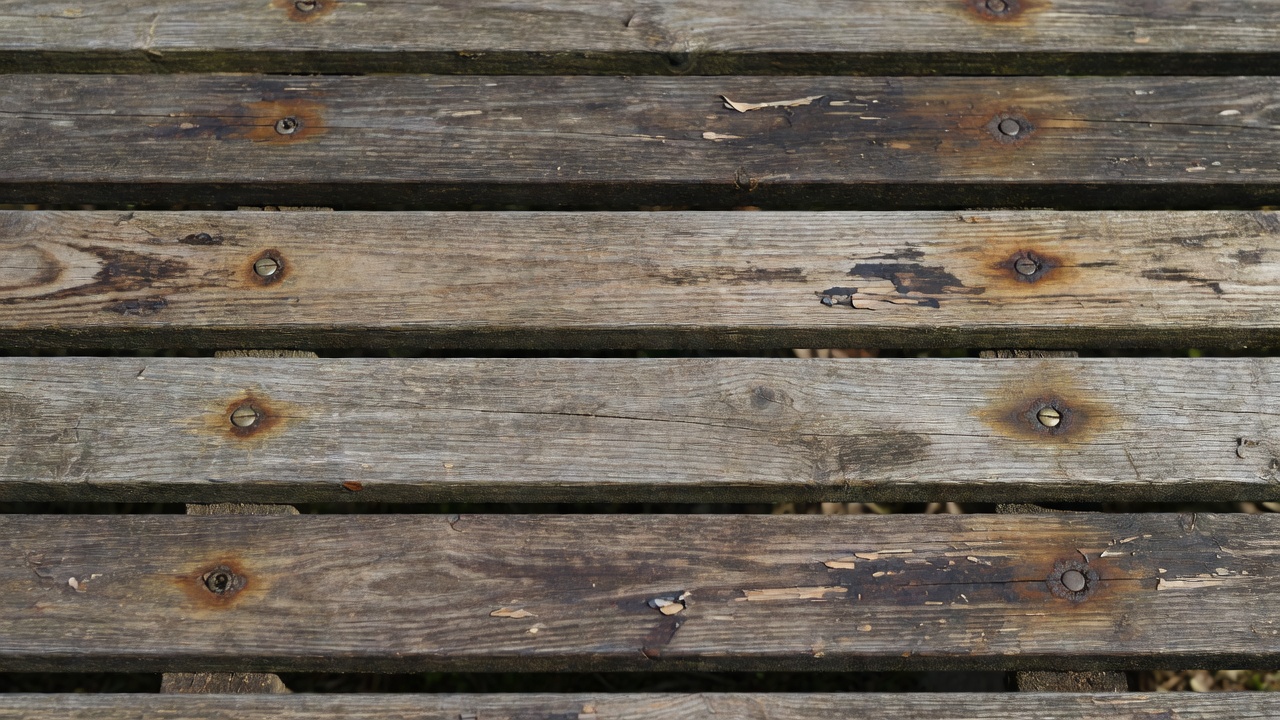
Weathered timber may be perfectly serviceable, but inspect for splinters, loose slats, movement at joints and decay around fasteners. A finish can improve appearance without restoring strength. Keep drainage gaps clear, remove trapped debris and use the manufacturer's care advice. If a component is unsound, repair or replace it before using the bench.
Metal benches need checks around welds, fixings and any corrosion beneath coatings. Stone and cast pieces need stable support and attention to cracks or movement. Consider surface temperature as well: a sun-exposed metal seat can become uncomfortable, while shaded stone may remain cold and damp. Cushions help comfort but add storage and drying tasks.
Give an ornament one clear role
An urn can mark a junction, a birdbath can draw attention into a border, and a modest sculpture can give a long view a destination. Choose the role before choosing the object. If several pieces all demand attention from the same viewpoint, remove some temporarily and see whether the garden feels calmer.
Scale depends on viewing distance and surroundings, not just the size of the object in a shop. A small ornament may disappear beyond a deep border, while a large pale pot can dominate a compact courtyard. Make a simple temporary stand-in to judge the silhouette. Keep it clear of the walking line and away from places where it could fall or be knocked.
Let material provide continuity
| Material | Visual contribution | Care consideration |
|---|---|---|
| Terracotta | Warmth and a useful repeated colour | Check frost suitability and drainage |
| Natural stone | Weight, variation and restrained texture | Stable support and material-compatible cleaning |
| Painted metal | A fine outline or deliberate accent | Coating damage and corrosion checks |
| Weathered timber | Soft visual connection to planting | Sound joints, smooth contact areas and moisture management |
The gardens associated with Gertrude Jekyll and Edwin Lutyens, including Hestercombe and the restored garden at The Salutation, offer examples of relationships between structure, materials and planting. Their lesson for a smaller garden is disciplined placement, not the need for formal ornament or expensive stonework.
Distinguish patina from a problem
A little weathering can settle a new feature into the garden. That does not make every stain desirable or every patch of moss harmless. Growth on an undisturbed ornament has different consequences from algae on a seat or a slippery path. Clean where function requires it, using a method suitable for the material and nearby plants.
For birdbaths, provide a stable, accessible position and keep the water and basin clean following current wildlife guidance. Do not place them where regular cleaning is impractical. Avoid treating a decorative water feature as maintenance-free simply because it is small. Pumps, cables and outdoor electrical work require suitable equipment and competent installation.
Finish with restraint
Before adding another object, improve the setting of the one you already own. Clear an approach, repeat a nearby material or prune a distracting branch appropriately. Revisit the composition from the house and from the path. The finishing touch is often not a new purchase but enough room for the existing garden to be noticed.